
Gate problems usually begin with an opening that was not planned for real use.
A gate is a moving structure attached to a stationary fence. Every time it opens, the frame, hinges, posts, latch, and surrounding ground share the load. If the opening is too wide for the structure, the hinge post is not appropriate, or the grade interferes with the swing, the gate can sag, drag, twist, or become difficult to latch.
We begin with access. Who uses the opening? What is the widest mower, trailer, trash cart, vehicle, or piece of equipment that needs to pass? Does the gate swing into a slope, sidewalk, driveway, pool area, or landscaping? Will pets or children use the yard? Answers to those questions guide the design more effectively than selecting a gate from a catalog.
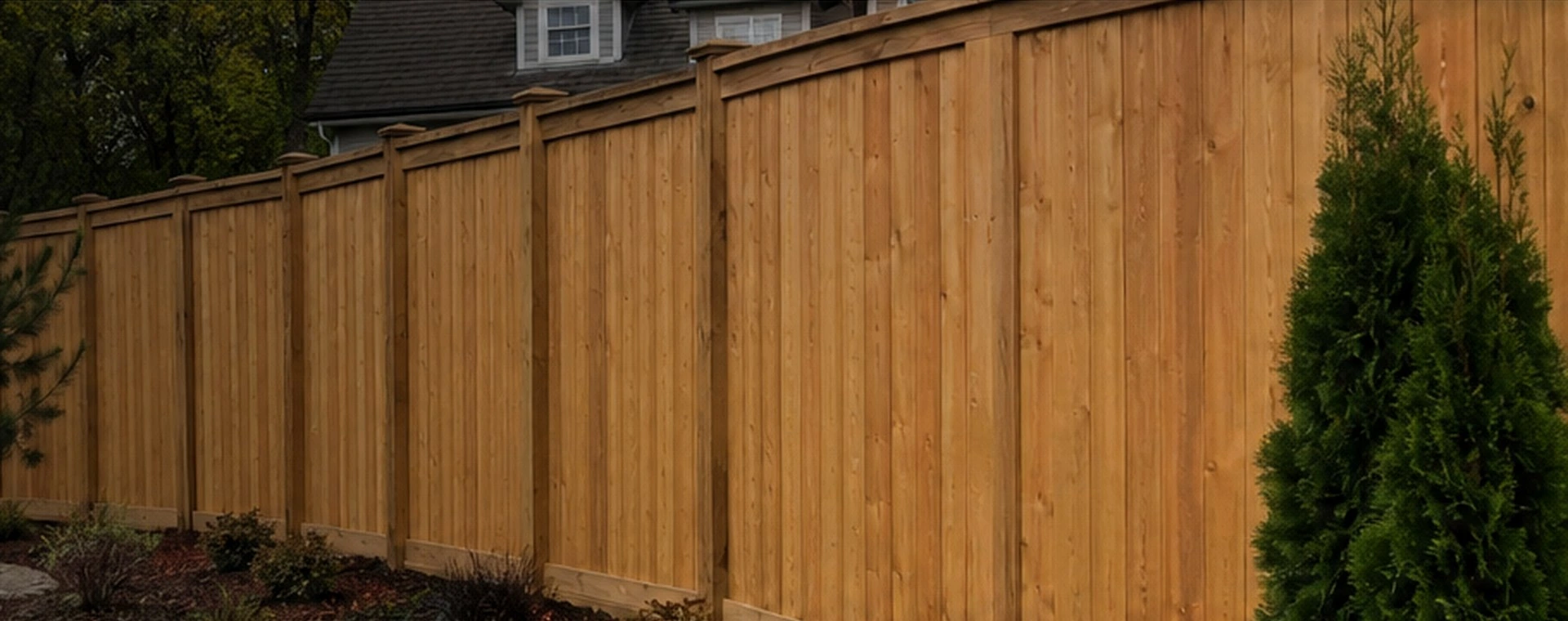
Appearance still matters. A wood gate can match cap-and-trim or horizontal boards. Vinyl and metal gates can coordinate with the panel profile. Chain link gates can be configured for practical residential or commercial access. The goal is to make the opening look integrated while giving it the structure needed for repeated use.
We do not start with a generic price per foot. We start with the purpose, property, material, layout, gates, removal, access, and conditions that shape the actual project.